


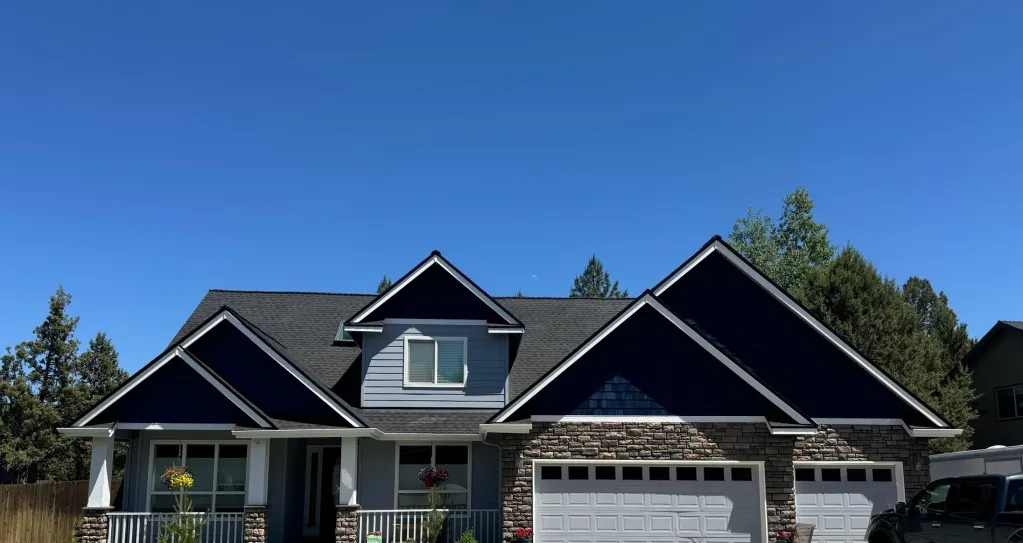
Your roof and siding are your home’s first line of defense against northern Indiana’s weather, from heavy snow loads to summer thunderstorms. When these critical systems need attention, the quality of the installation or repair is everything. A poor job can lead to leaks, energy loss, and costly structural damage. Choosing the right professional isn’t just about getting a price; it’s about securing your home’s integrity and your family’s safety for years to come.
This guide provides a concrete, step-by-step framework for selecting top-tier contractors for roofing and siding projects in the South Bend area. We’ll move beyond basic checklists and focus on the specific due diligence that separates adequate work from exceptional craftsmanship. The goal is to equip you with the knowledge to confidently interview and hire a team that delivers lasting quality.
Start with a Foundation of Local Credentials and Reputation
A contractor’s official credentials are non-negotiable starting points. In Indiana, roofing and siding contractors must carry specific licensing. Verify this through the Indiana Professional Licensing Agency. Furthermore, ensure they carry both general liability insurance and workers’ compensation. Request proof of insurance certificates and confirm they are current. This protects you from liability if an accident occurs on your property.
Local reputation is equally critical. A company with deep roots in the Roofing South Bend Indiana community has a track record you can actually examine. Look for a physical local address, not just a P.O. box. Seek out reviews on independent platforms like Google and the Better Business Bureau, paying close attention to how the company responds to any negative feedback. Ask for references for projects completed in the last 12-18 months, specifically for work similar to yours, such as a full asphalt shingle replacement or fiber cement siding repair.
The Critical Role of Manufacturer Certifications
For major roofing brands like GAF, Owens Corning, or CertainTeed, manufacturer certifications are a significant differentiator. These programs require contractors to undergo rigorous training on proper installation techniques specific to those products. Hiring a certified installer often extends the manufacturer’s warranty on the materials, sometimes doubling its length. The same principle applies to siding from manufacturers like James Hardie or LP SmartSide. Always ask if a contractor is a “Master Elite,” “Preferred Contractor,” or holds a similar certified installer status for the products they propose.
Decoding Estimates and Project Proposals
When you receive estimates, a detailed, written proposal is far more valuable than a single number on a napkin. A comprehensive proposal should function as a project blueprint. Beware of estimates that seem unusually low; they often signal the use of subpar materials, insufficient labor, or hidden costs that will appear later.
What a Quality Proposal Must Include
- Material Specifications: Exact brand, product line, style, and color of shingles or siding panels. Include underlayment type, flashing materials (e.g., aluminum or copper), and ventilation components.
- Scope of Work in Detail: A step-by-step list of all tasks, from tear-off and disposal of old materials to site cleanup. It should specify preparation work like repairing sheathing.
- Timeline: A realistic start and completion date, acknowledging potential weather delays common in Indiana.
- Payment Schedule: A fair schedule tied to project milestones. Be wary of any contractor demanding more than 10-15% down or full payment before materials are delivered.
- Warranty Breakdown: A clear explanation of both the manufacturer’s warranty on the materials and the contractor’s separate warranty on their workmanship (typically 2-10 years).
The On-Site Consultation: Asking the Right Questions
The in-person consultation is your opportunity to interview the contractor. Observe their professionalism. Do they show up on time? Do they conduct a thorough inspection of both the interior and exterior, including the attic? This meeting is for you to ask probing questions.
Move beyond “How long have you been in business?” and ask:
- “Will you be using your own crew, or subcontracting this project?” Consistent, in-house crews typically yield higher quality control.
- “Who will be the foreman or project lead on-site each day, and how can I contact them?”
- “What is your process for protecting my landscaping, driveway, and property during the project?”
- “How do you handle unexpected issues, like rotted decking discovered during tear-off? What is the process and cost basis for change orders?”
Their answers will reveal their operational integrity and commitment to customer communication.
Understanding the Synergy Between Roofing and Siding
While roofing and siding are separate systems, they must work in concert. Poor siding can direct water behind roofing components, and a faulty roof can cascade water onto siding, causing rot and moisture intrusion. When evaluating contractors, consider their expertise in both areas, especially if your project involves interfaces like where siding meets a roof valley or a chimney penetrates the siding.
A contractor skilled in holistic exterior repair understands these critical intersections. They will ensure proper integration of step flashing, drip edges, and house wraps to create a seamless water management system. For comprehensive exterior upgrades, a single contractor proficient in both fields can often provide better coordination, a single point of accountability, and potentially more efficient scheduling. When seeking a contractor for such integrated work, it’s wise to look for a proven expert in Siding South Bend Indiana who also possesses strong roofing credentials, or vice-versa.
Red Flags and Final Verification Steps
Trust your instincts. Significant warning signs include high-pressure sales tactics, refusal to provide a detailed written contract, or requests for cash-only payments. A contractor who is difficult to reach during the sales process will likely be impossible to contact after the job is done.
Before signing a contract, take two final verification steps. First, contact the references provided. Ask specific questions: Was the site kept clean? Did the crew communicate well? Would they hire the company again? Second, for larger projects, consider consulting with your homeowner’s insurance agent. They often have insights into local contractor reputations and can confirm if the proposed materials meet or exceed current standards for weather resistance.
Frequently Asked Questions
How many estimates should I get for a roofing or siding project?
Aim for at least three detailed estimates. This range gives you a clear understanding of the fair market price and allows you to compare the depth of proposals, professionalism, and materials offered. Fewer than three may not provide enough data, while more than five can become overwhelming and delay your project unnecessarily.
What’s more important: the materials or the installation?
Both are critical, but superior installation often trumps premium materials. The best architectural shingles will fail prematurely if installed incorrectly with improper nailing or inadequate ventilation. Prioritize contractors who demonstrate certified, meticulous installation practices for the specific materials you choose.
How long should a roofing or siding project take?
For a typical single-family home, a complete roof replacement with an experienced crew usually takes 1-3 days. Siding replacement is more variable, often taking 1-2 weeks depending on the material and home’s complexity. Weather is the most common factor for delays in the South Bend region, so a reputable contractor will build contingency into the schedule.
Are permits required for roofing and siding work in South Bend?
Yes, most roof replacements and siding projects require a building permit from the local jurisdiction (e.g., St. Joseph County or the City of South Bend). A reputable contractor will always pull these permits, as it triggers necessary inspections to ensure the work meets building codes. You should never be asked to pull the permit yourself.
Does my new roof or siding come with a warranty?
You should receive two warranties. The first is the manufacturer’s warranty covering defects in the shingles or siding panels themselves. The second is the contractor’s workmanship warranty, covering errors in installation. Ensure you understand the length, coverage, and transferability of both, and get them in writing.
Can I repair my siding instead of replacing it?
Spot repairs are possible for minor, isolated damage, such as a few cracked vinyl panels or a small area of rot on wood siding. However, if damage is widespread, you have moisture issues, or your siding is near the end of its lifespan (20+ years for many materials), a full replacement is usually more cost-effective and reliable in the long run.
Conclusion
Choosing the right contractor for your roofing or siding project is a deliberate process of verification and comparison. It hinges on validating local credentials, scrutinizing detailed proposals, and engaging in meaningful dialogue during the consultation. The goal is to partner with a professional who views your project not as a transaction, but as an investment in your home’s longevity.
By applying the framework outlined here, you shift the odds significantly in your favor. You’ll be positioned to select a contractor whose skill, integrity, and commitment to quality ensure that your home’s exterior stands strong against Indiana’s seasons, safeguarding your comfort and your investment for decades. The right choice delivers not just a new roof or siding, but enduring peace of mind.