


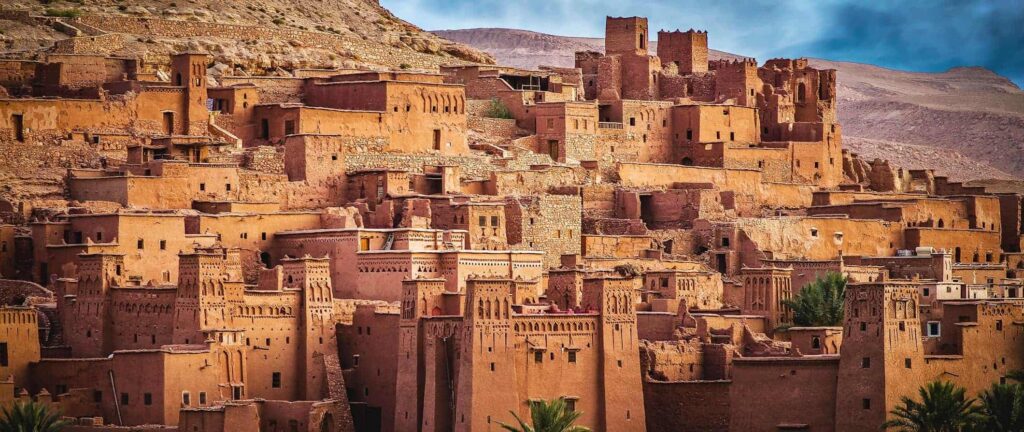
Morocco offers a sensory overload in the best possible way. It’s the scent of spices in a Marrakech souk, the silence of a Saharan night, and the cool blue of Chefchaouen’s painted streets. This North African kingdom is a destination of profound contrasts, where ancient medinas sit alongside contemporary art galleries, and mountain trails lead to bustling Atlantic ports. To experience it fully requires more than a casual booking; it demands thoughtful preparation.
A successful Morocco travel plan balances ambition with practicality. You must consider logistical details—like visas and internal transport—alongside cultural nuances to ensure your journey is as smooth as it is rich. This guide strips away the guesswork. It provides the framework to design an itinerary that aligns with your interests, whether you seek history, adventure, cuisine, or simple relaxation. We’ll cover the essential steps from pre-departure paperwork to on-the-ground etiquette.
The goal is to move you from overwhelmed to organized. By following these pro-planning principles, you can avoid common pitfalls, maximize your time, and engage with Morocco’s wonders confidently. Let’s begin with the foundational decisions that shape every trip.
Pre-Departure Essentials: Documents, Budget, and Timing
Before dreaming of camel treks, address the administrative basics. Most travelers need only a passport valid for at least six months upon entry; no visa is required for stays under 90 days for citizens of the US, UK, EU, and many other countries. Always verify current entry requirements with your government’s travel advice site a few weeks before departure.
Budgeting is highly variable. Morocco can be a budget-friendly destination or a luxury one. For a moderate trip, plan for approximately $80-$120 per day excluding international flights. This covers comfortable mid-range hotels, daily meals including some restaurant dining, local guides for key experiences, and shared or private transport between cities. Always allocate a contingency fund for spontaneous opportunities or unforeseen costs.
Timing your visit is critical. Spring (March-May) and Autumn (September-November) offer the most universally pleasant climate—warm days, cool nights, and minimal rainfall. Summer can be intensely hot, especially in the interior and desert regions, while winter brings cold, particularly to the mountains and northern cities. Major festivals like Ramadan affect the travel experience; during this month, daytime business hours shorten, and public life shifts dramatically after sunset, which can be a culturally rich time to visit with adjusted expectations.
Crafting Your Morocco Travel Itinerary: Routes and Must-Sees
Your itinerary is the blueprint of your experience. Morocco’s geography naturally suggests a circular route, often starting in Casablanca or Marrakech. A classic 10-14-day loop for first-time visitors includes Marrakech, the Sahara (via Merzouga or Zagora), Fes, Chefchaouen, and Rabat or Casablanca. This balances imperial cities, desert adventure, and mountain charm.
Don’t try to see everything. Depth beats breadth. Dedicate at least two full days to Marrakech to explore the Jemaa el-Fnaa square, the Bahia Palace, and the Saadian Tombs without rush. In Fes, the labyrinthine medina, the world’s oldest university, and the tanneries deserve another two days. For a reliable overview of key attractions and logistical tips, consulting a detailed Morocco travel guide is invaluable.
Beyond the Classic Circuit
If you have more time or specific interests, consider these extensions:
- Atlantic Coast: Essaouira offers wind-swept beaches, historic ramparts, and a laid-back artistic vibe. It’s a perfect 2-day add-on after Marrakech.
- High Atlas Mountains: Trekking from Imlil to Toubkal Base Camp or visiting the Aït Benhaddou kasbah provides stunning landscapes and cultural encounters with Berber communities.
- The Blue City: Chefchaouen, while increasingly popular, remains uniquely photogenic and peaceful. It serves as a relaxing interlude between Fes and the northern coast.
Navigating Morocco: Transportation and Accommodation Choices
Internal transport defines your trip’s pace. For city-to-city travel, consider these options:
- Train: Morocco’s ONCF rail network is efficient, comfortable, and affordable for connections between major hubs like Casablanca, Rabat, Fes, and Marrakech. Book first-class (“Première Classe”) for reserved seating and more space.
- Grand Taxi: These shared six-passenger cars are a fixed-price, inter-city service. They are faster than buses for shorter routes (e.g., Marrakech to Essaouira) but require negotiating or accepting a shared fare.
- Private Driver: For a group or a complex itinerary involving the Sahara, hiring a driver for multiple days offers flexibility, comfort, and local insight. It is a significant cost but often the most efficient solution.
Within cities, walk medinas but use petite taxis for longer distances. Agree on a price or ensure the meter is running before departure. For the Sahara, organized tours from Merzouga or Zagora that include camel trekking and desert camp stays are the standard and safest approach.
Accommodation ranges from five-star riads to backpacker hostels. The quintessential Moroccan experience is staying in a riad—a traditional house with an interior garden courtyard—often located within a medina. Booking these in advance is recommended, especially in Marrakech and Fes. For desert stays, research camp quality: some offer basic bedding, while others provide luxurious tents with private bathrooms and gourmet meals.
Cultural Intelligence: Etiquette, Safety, and Money
Respectful engagement opens doors. Dress modestly, especially outside tourist centers; covering shoulders and knees is advisable for both men and women. While many younger Moroccans speak English, learning a few phrases in Arabic (“shukran” for thank you) or French (“merci”) is appreciated. Always ask permission before photographing people, particularly in markets or rural areas.
Morocco is generally a safe country for travelers. The primary risks are petty scams like inflated prices or misleading guides. Be firm but polite in negotiations, and seek official guides registered with local tourism offices. Solo travelers, particularly women, should expect more attention and occasional harassment in crowded areas; staying confident, avoiding isolated areas at night, and joining group tours when uncomfortable mitigates most issues.
Financial practicality is key. The local currency is the Moroccan Dirham (MAD), which cannot be obtained outside Morocco. Bring euros or USD to exchange upon arrival at banks or authorized exchange offices (avoid street exchanges). ATMs are widely available in cities. While credit cards are accepted in larger hotels and shops, cash is essential for medina transactions, taxis, and small purchases. To smoothly plan your trip to Morocco, include a detailed daily budget for these cash expenses.
The Moroccan Table: A Guide to Food and Drink
Moroccan cuisine is a highlight. Begin with street food: try msemen (flatbread) or bissara (fava bean soup) from a market stall. For a full meal, seek out a tagine—the slow-cooked stew named for the conical clay pot it’s made in. Chicken with preserved lemons and olives is a classic. Couscous, typically served on Fridays, is another staple, often with seven vegetables or lamb.
Drinking mint tea is a social ritual. It’s typically sweetened heavily and poured from a height to create a foam. Tap water is not recommended for drinking; bottled water is ubiquitous and inexpensive. While Morocco produces wine, local consumption is low due to cultural norms; alcohol is available in hotels, licensed restaurants, and some supermarkets, but not in standard cafes or medina eateries.
Packing Strategically for Climate and Culture
Your suitcase should adapt to diverse settings. Essentials include:
- Layered Clothing: Lightweight, breathable fabrics for daytime, with a warm jacket or fleece for cool desert nights and mountain areas. A scarf is versatile for sun protection, modesty, and dust.
- Comfortable Footwear: Sturdy, closed-toe walking shoes for uneven medina streets and sandals for warmer climates.
- Health Kit: Include sunscreen (high SPF), a basic first-aid kit, hand sanitizer, and any personal medications. Pharmacies (“pharmacie”) are well-stocked in cities for common ailments.
- Tech Considerations: A universal power adapter (Morocco uses Type C, 220V), a portable power bank for long desert tours, and a offline maps app downloaded to your phone.
Remember, you can purchase many items locally if needed, including traditional clothing like jellabas, which make excellent and culturally appropriate souvenirs.
Frequently Asked Questions
Do I need a visa for Morocco?
For tourism visits shorter than 90 days, citizens of the United States, United Kingdom, Canada, Australia, and European Union nations do not require a visa. You only need a passport valid for at least six months from your date of entry. Always check the latest requirements from your country’s foreign office before traveling, as policies can change.
Is Morocco safe for solo female travelers?
Yes, with prudent planning. Morocco is statistically safe, but solo women may experience more verbal attention or harassment in crowded public spaces. To mitigate this, dress conservatively, avoid walking alone in quiet areas at night, use reputable transport, and consider joining group tours for certain activities. Many women have positive solo travel experiences here by staying aware and confident.
What is the best way to travel from Marrakech to the Sahara?
The most reliable method is booking a multi-day organized tour from Marrakech to Merzouga or Zagora. These typically include private transport, a night in a desert camp, a camel trek, and sometimes stops at the Aït Benhaddou kasbah and the Dades Valley. Self-driving is possible but requires experience with remote desert roads and careful preparation.
How much should I budget per day?
A comfortable mid-range budget, excluding international flights, ranges from $80 to $120 USD per person per day. This covers a private room in a nice riad or hotel, three meals with some restaurant dining, admission fees for major sites, local transportation, and a guided experience or tour every few days. Budget travel can be achieved for under $50, while luxury can exceed $250 daily.
Can I use credit cards everywhere?
No. Credit cards are accepted in larger hotels, upscale restaurants in cities, and some modern shops. However, the medinas, local markets (souks), taxis, small cafes, and most desert tours operate exclusively on cash. You will need Moroccan Dirhams for daily expenses, so plan to exchange currency upon arrival and use ATMs in cities.
What should I avoid doing culturally?
Avoid public displays of affection, as they are considered inappropriate. Do not photograph people without explicit permission, especially in rural areas or markets. Refusing an offer of mint tea can sometimes be seen as rude; if offered, it’s polite to accept. During Ramadan, be discreet about eating, drinking, or smoking in public during daylight hours in conservative areas.
Conclusion
Planning a trip to Morocco like a pro means merging vision with vigilance. It involves designing an itinerary that respects both your desires and the country’s rhythms, securing the right transport to link its diverse regions, and packing not just items but cultural respect. The administrative groundwork—checking entry rules, setting a realistic budget, booking key accommodations early—creates the stable platform from which adventure can safely launch.
Ultimately, a well-planned Moroccan journey reduces friction and amplifies discovery. It allows you to spend less time solving problems and more time immersed in the moment—whether that’s bargaining in a souk, watching the sunset over the Erg Chebbi dunes, or simply sipping sweet mint tea in a quiet courtyard. With this framework, you’re equipped to transform a collection of destinations into a coherent, memorable, and profoundly rewarding experience. Morocco awaits, ready to be explored with intention and insight.
